

How to Choose the Right Baby Shampoo for Sensitive Skin
Choosing the right baby shampoo is an important part of caring for an infant, especially when the baby has sensitive skin. A baby’s skin and scalp are delicate and still developing, which makes them more vulnerable to irritation, dryness, and allergic reactions. The wrong shampoo can cause discomfort, redness, and itching, while the right one can help maintain healthy skin and make bath time a pleasant experience. This blog explains how parents can choose a baby shampoo that is safe, gentle, and suitable for sensitive skin.Choosing the right baby shampoo for sensitive skin requires careful attention to ingredients, formulation, and bathing practices. By selecting a gentle shampoo and following a proper skincare routine, parents can protect their baby’s delicate skin and make bath time a soothing and enjoyable experience that supports healthy skin development.
Parents often feel overwhelmed by the wide variety of baby shampoos available in the market, each claiming to be the best or safest option. However, understanding your baby’s unique skin needs and learning how to read product labels can make the selection process much easier. By focusing on gentle formulations, avoiding harsh ingredients, and following proper bathing practices, parents can reduce the risk of skin irritation and support healthy scalp development during the early stages of life.
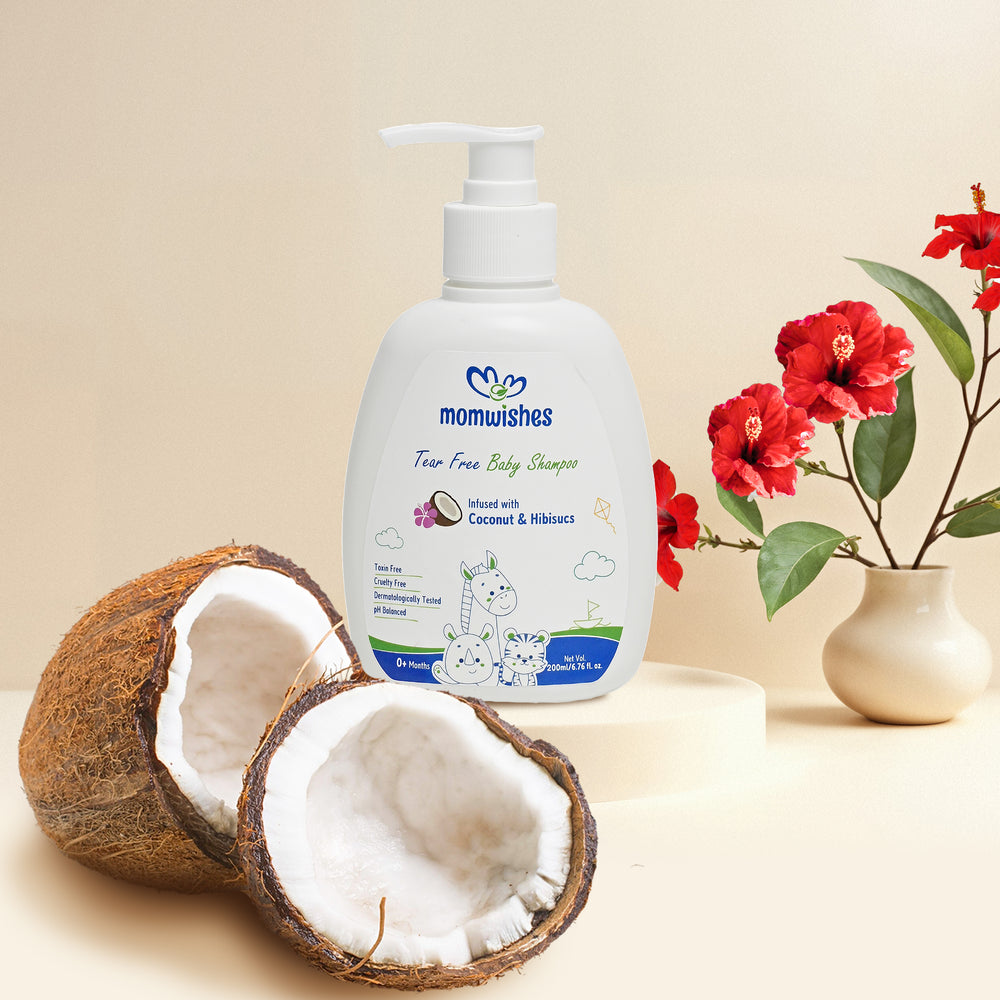
Tear-Free Baby Shampoo |
 |
Understanding Sensitive Skin in Babies
Baby skin is much thinner than adult skin and its natural protective barrier is not fully developed. This makes it easier for irritants to penetrate the skin and for moisture to escape. As a result, babies are more likely to experience dryness and irritation.
Sensitive skin in babies may appear as redness, flaking, itching, or rashes, particularly on the scalp, neck, and behind the ears. These symptoms often become noticeable after bathing if the products used are too harsh.
Why Baby Shampoo Is Different From Adult Shampoo
Adult shampoos are designed to cleanse mature hair and scalp by removing oil, dirt, and product buildup. They often contain strong cleansing agents, fragrances, and chemicals that can be too harsh for a baby’s delicate skin.
Baby shampoos are formulated to clean gently without stripping natural oils. They help maintain the moisture balance of the scalp and reduce the risk of irritation, making them a better choice for sensitive skin.
What to Look for in a Baby Shampoo for Sensitive Skin
When choosing a baby shampoo, parents should look beyond marketing claims and carefully read the ingredient list. A good shampoo for sensitive skin should be mild, gentle, and free from harsh chemicals.
Hypoallergenic and Tear Free Formulas
Hypoallergenic shampoos are designed to minimize the risk of allergic reactions. Tear free formulas are also beneficial because they reduce eye irritation and make bath time more comfortable for babies.
Dermatologist Tested Products
Shampoos that are dermatologist tested or pediatrician recommended often provide extra reassurance. These products are usually evaluated for safety and gentleness on baby skin.
Beneficial Ingredients for Sensitive Baby Skin
Some ingredients are especially suitable for babies with sensitive skin. Glycerin helps retain moisture and prevents dryness. Aloe vera soothes irritation and calms the scalp.
Natural oils such as coconut oil, calendula oil, and argan oil nourish the skin and support the natural skin barrier. Oat extract and chamomile are also commonly used to reduce redness and discomfort. Fatty alcohols like cetyl alcohol and stearyl alcohol help keep the skin soft and should not be confused with drying alcohols.
Ingredients to Avoid in Baby Shampoo
Certain ingredients can irritate sensitive baby skin and should be avoided. Sulfates are strong cleansing agents that can strip natural oils. Parabens may cause sensitivity in some babies. Synthetic fragrances are one of the most common causes of allergic reactions.
Artificial colors add no benefit and may increase irritation. Drying alcohols can remove moisture from the skin and worsen sensitivity. Choosing a shampoo with a simple ingredient list is often the safest option.
Types of Baby Shampoos Available
There are many types of baby shampoos designed for different needs. Tear-free shampoos are suitable for everyday use. Natural or organic shampoos focus on plant based ingredients and fewer synthetic chemicals.
Some shampoos are specially formulated for babies with eczema or extremely sensitive skin. Combination shampoo and body wash products can be convenient but should still be gentle enough for both the scalp and body.
How to Test a New Baby Shampoo
Before using a new shampoo regularly, it is important to perform a patch test. Apply a small amount to a small area of the baby’s skin and wait for a day to check for any reaction.
After using the shampoo during bath time, observe the baby’s skin for signs of dryness, redness, or irritation. If any discomfort appears, discontinue use and choose another product.
Bathing Tips for Babies With Sensitive Skin
Bathing habits play a key role in skin health. Babies do not need daily baths, and washing two to three times a week is usually enough. Lukewarm water helps prevent dryness.
Gently massage the scalp rather than scrubbing. Rinse thoroughly to remove all shampoo residue. After bathing, pat the skin dry and apply a gentle baby moisturizer to lock in moisture.
When to Consult a Pediatrician
If skin irritation continues despite using gentle products, parents should consult a pediatrician or dermatologist. Persistent redness, severe dryness, or rashes may indicate an underlying condition that requires medical advice.
FAQs.
1. Which baby shampoo is best for sensitive skin
The best baby shampoo for sensitive skin is one that is mild hypoallergenic and free from fragrance sulfates and harsh chemicals. Look for products that are dermatologist tested and specifically designed for babies with sensitive or dry skin.
How often should I wash my baby hair
Most babies do not need daily hair washing. Washing two to three times a week is usually enough to keep the scalp clean without causing dryness or irritation. Over washing can worsen sensitive skin.
Can baby shampoo cause skin irritation
Yes, even baby shampoo can cause irritation if it contains ingredients that do not suit your baby skin. If you notice redness, dryness or itching after bath time stop using the product and switch to a gentler formula designed for sensitive skin.
Are natural or organic baby shampoos always safe for sensitive skin
Not always. While natural or organic shampoos often have fewer synthetic chemicals, some may contain essential oils or plant extracts that can irritate sensitive skin. Always check the ingredient list and choose fragrance free, hypoallergenic products.
